Annual Research Expenditures
Nationally in Atmospheric Science & Meteorology Funding
NSF HERD Survey
Nationally in NIH Funding
Blue Ridge Institute for Medical Research
Universities Granted Utility Patents
National Academy of Inventors
OVPRP’s impact-focused research strategy is anchored in four key areas

Oklahoma faces some of the most persistent health challenges in the country, and no single discipline is going to solve them. Our health research strategy draws on the full breadth of team science, working alongside our clinical partners, to drive life-saving research across cancer, diabetes, neuroscience, maternal and pediatric health, and more.

Oklahoma sits at the center of some of the most complex and severe weather patterns on the planet. Our weather research strategy draws on the full strength of the National Weather Center and our atmospheric science expertise to lead innovation in forecasting, risk reduction, and community resilience.
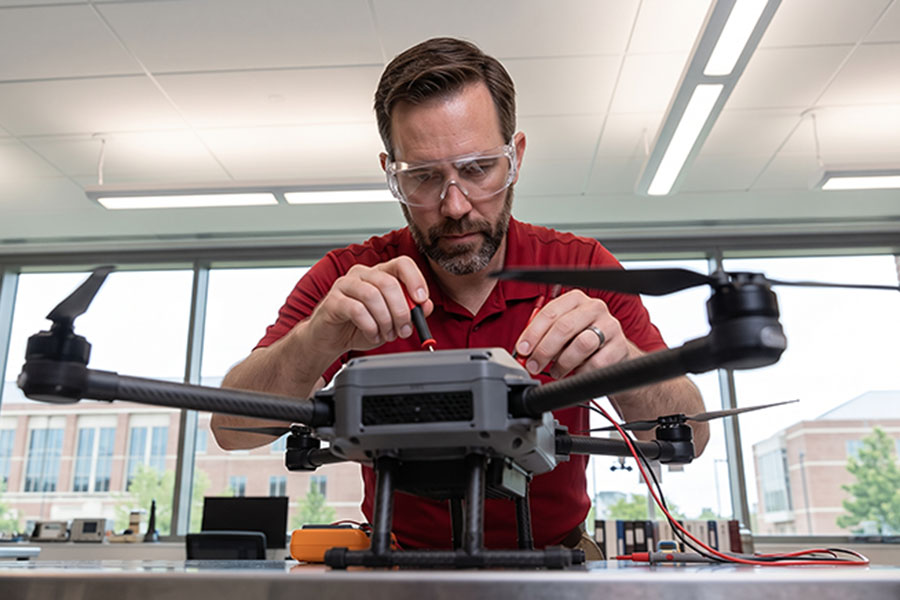
Oklahoma is home to a long-standing, deeply embedded aerospace and defense ecosystem, and few places can move research from concept to application as quickly. Home to major federal installations, world-class sustainment and logistics capabilities, and a growing network of industry partners, OU is advancing innovation, workforce development, and operational readiness for the nation’s warfighters.

Oklahoma has a deep legacy in domestic energy, and few states are better equipped to shape what comes next. Our energy research strategy draws on that legacy to lead advances in subsurface energy systems, critical minerals, carbon management, grid resilience, and next-generation energy technologies.
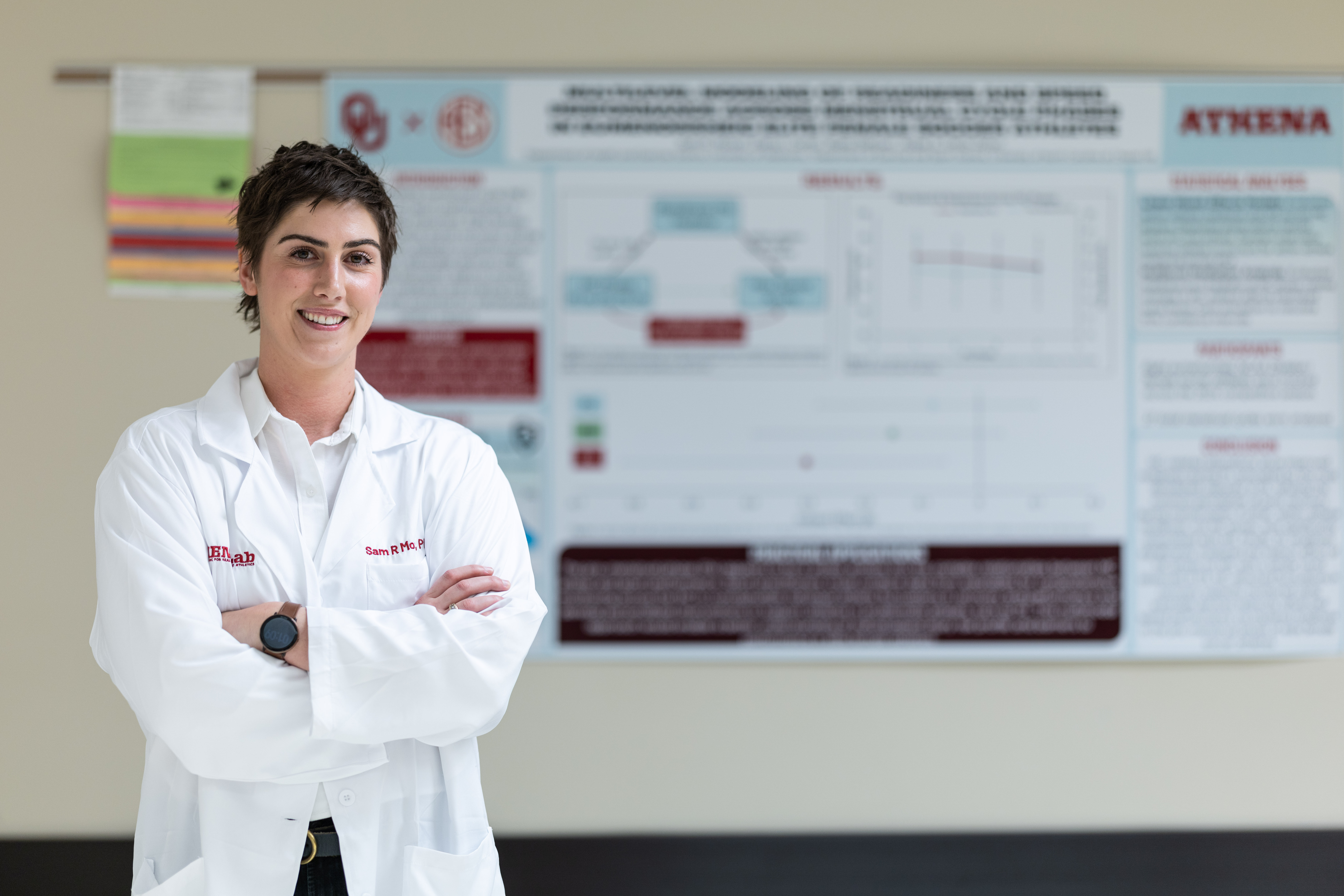
A new study led by a University of Oklahoma faculty member shows that heavier training loads can hurt next-day performance for athletes. Researchers monitored players on a college women's soccer team, gathering data over the course of their season.
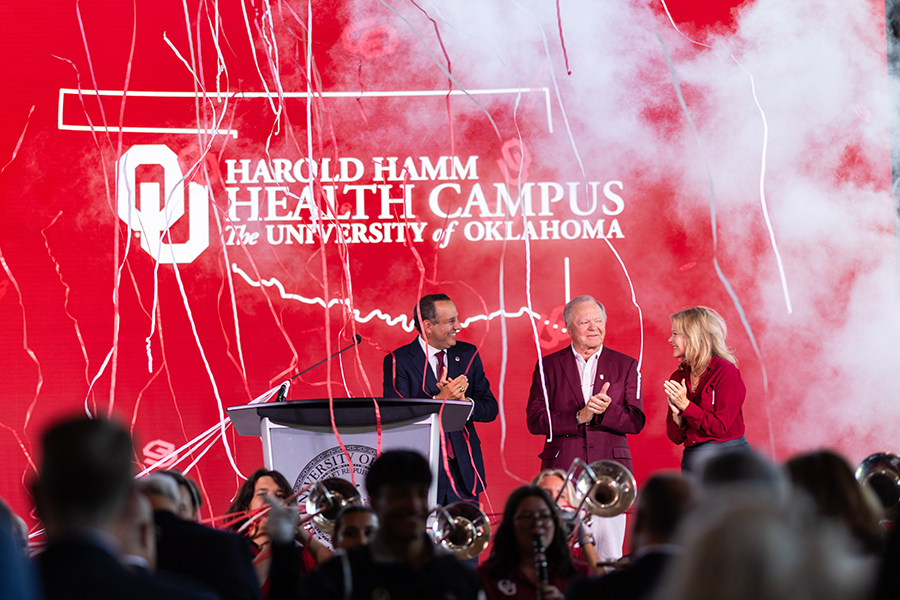
The University of Oklahoma today announced an historic $150 million gift from Harold Hamm, the largest single gift in university history, to lift the health of Oklahoma by advancing health education, research and discovery, strengthening the state’s health care workforce and accelerating the pursuit of breakthroughs against Oklahoma’s critical public health challenges.
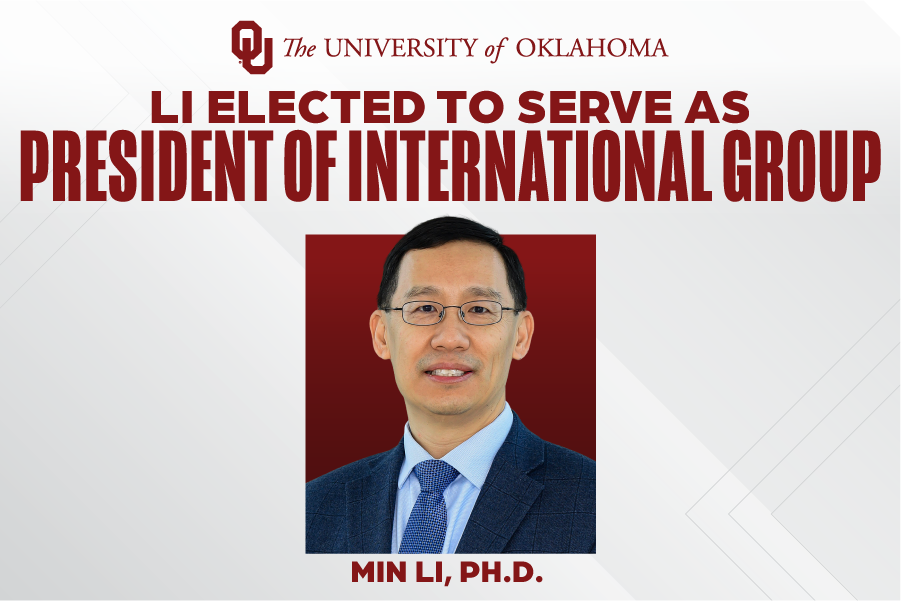
Min Li, Ph.D., George Lynn Cross Research Professor of Medicine, Surgery and Cell Biology at the University of Oklahoma College of Medicine and Associate Director for Global Oncology at OU Health Stephenson Cancer Center, has been named president of the International Association of Pancreatology.